- Local time
- 2:42 AM
- User ID
- 34199
- Joined
- Sep 3, 2025
- Messages
- 934
- Reaction score
- 3,013
- Location
- Illinois

I believe we have poplar and cottonwood in the us and they are 2 completely different trees.






There are a bunch of related trees in this category…basically, pulp wood.Or not.
From Google
Poplar and cottonwood are closely related, fast-growing trees in the Populus genus (willow family) that share similar, heart-shaped leaves and tall growth habits, often reaching over 80 feet. Cottonwoods, particularly the eastern cottonwood (Populus deltoides), are known for producing immense amounts of fluffy, cotton-like seeds in spring and preferring moist riparian areas. Poplar is a broader term encompassing cottonwoods, aspens, and other species, generally preferring cooler climates compared to the, often larger, cottonwood.
Key Differences:
- Seeds/Fluff: Cottonwoods (specifically female trees) are famous for producing massive amounts of cottony fluff in late spring. While some poplars are cotton-free, many share this characteristic, though the "cottonwood" name is most associated with this trait.
- Leaves: Cottonwood leaves typically have a flat, triangular base with a flat petiole. Many poplars, such as the balsam poplar, have more rounded or lance-shaped leaves.
- Growth/Habitat: Cottonwoods are known for extreme growth speed and enormous, spreading canopies, often growing 6+ feet in diameter. Poplars, like the Balsam poplar, are often more upright and suited to boreal/subarctic regions.
- Wood Quality: Black cottonwood is often considered superior for lumber compared to some other poplars, having higher strength.
- Staining: Balsam poplar leaves often have an orange/brown resinous staining on the underside, which is absent in cottonwood.
- Similarities:
- Genus: Both belong to the Populus genus.
- Leaf Action: Both have long leaf stems that cause the leaves to tremble or shimmer in the wind.
- Uses: Both are used for firewood, pulp, and landscaping.
- Common Species Examples:
- Cottonwood: Eastern Cottonwood, Black Cottonwood, Narrowleaf Cottonwood.
- Poplar: Balsam Poplar, White Poplar, Lombardy Poplar.


They are around here.I think cottonwood is more branchy/forky?


renegade Squirrels.When I was a kid we had a hedge grow from a pile of alder logs.
Willow is the same.When I was a kid we had a hedge grow from a pile of alder logs.

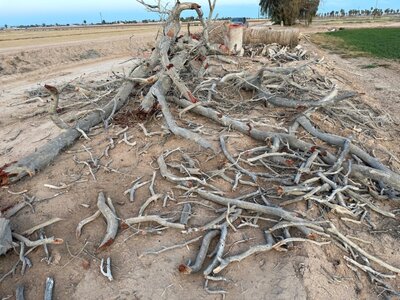
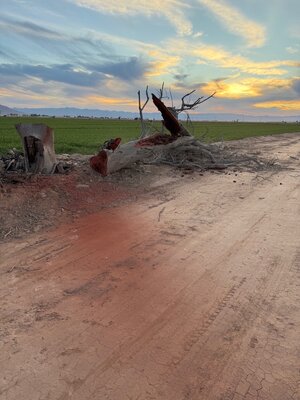
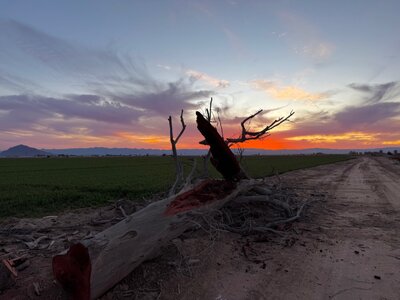
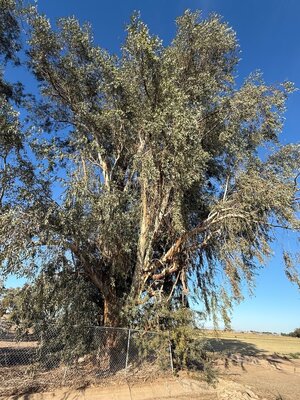
Interesting.Willow is the only tree I’ll cut if the land owner agrees I don’t have to take any of it.
Heavy, wet, spongy. No one around here wants to mill it and it smells like p*ss when it burns.
Poplar and ash I’m amazed how fast it’ll grow from nothing, I used to clear trees out of ditches on a road crew and the next year it would be grown up again in offshoots out of the stumps.